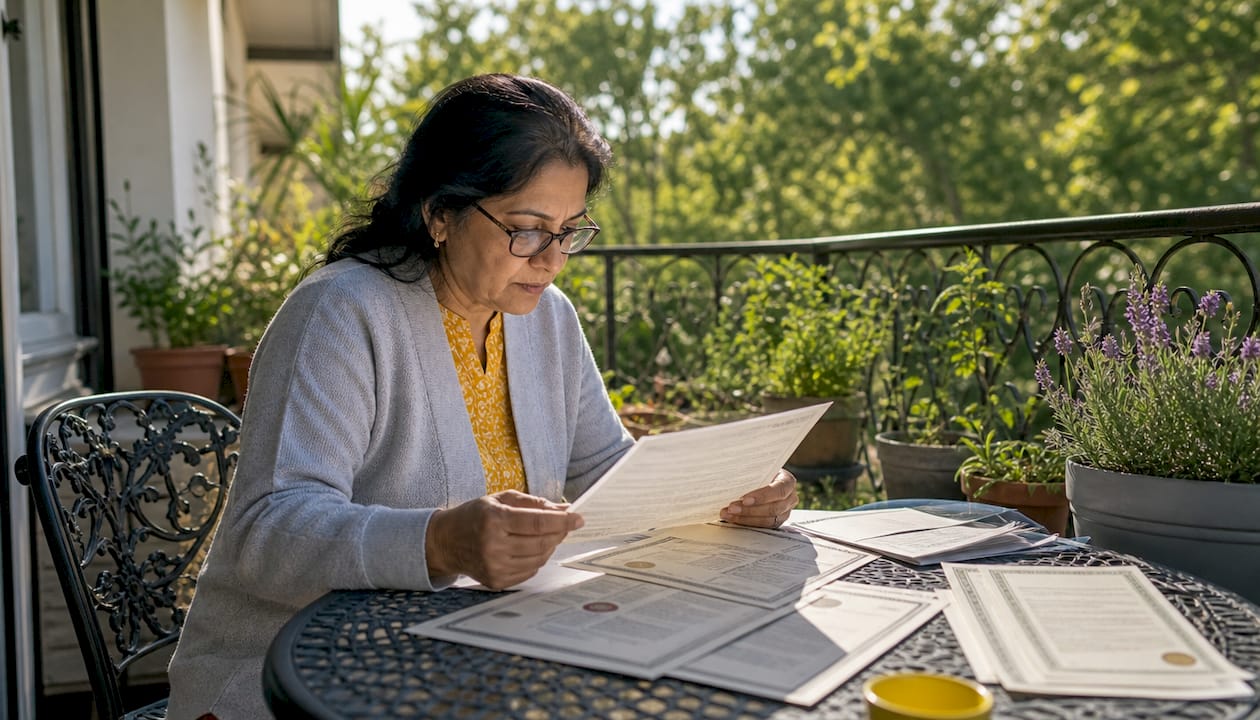
A citizenship consulate interview is a formal appointment where a consular officer verifies your eligibility for citizenship through document review, personal questioning, and sometimes standardized testing. Understanding what happens at a citizenship consulate interview removes the uncertainty that causes most applicants to stumble. The process follows a predictable structure, though each specific jurisdiction may have their own quirks, Knowing each phase in advance lets you walk in prepared, not anxious.
What is the typical process at a citizenship consulate interview?
The consulate interview follows a clear sequence from the moment you arrive. Interview duration varies according to the complexity of your citizenship by descent case. It stands to reason that those who are applying through their parents (e.g. one generation removed) will have a shorter interview duration than those who go back many generations. Each phase has a defined purpose, and officers move through them methodically.
Here is the standard sequence you can expect:
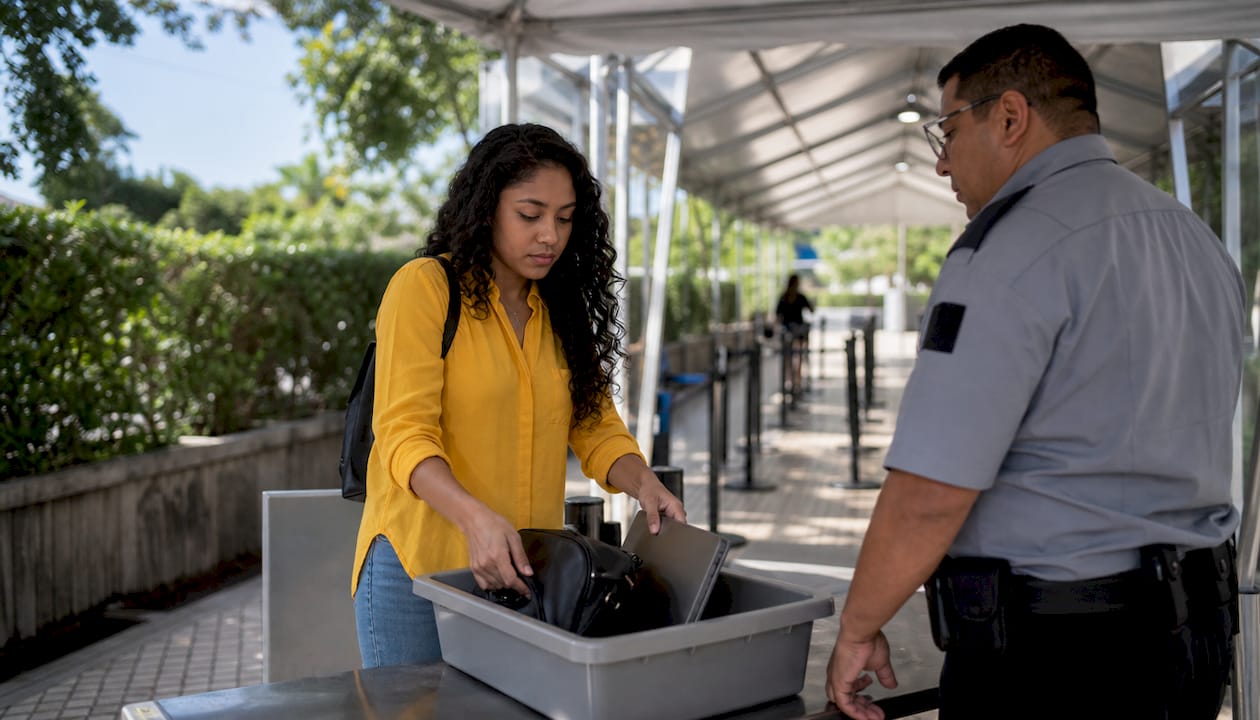
- Security screening and check-in. You present your appointment confirmation and government-issued photo ID at the entrance. Security staff may scan your belongings and verify your identity before you enter the waiting area.
- Application and document review. The officer opens your file and cross-references your submitted application against the original documents you bring. This is the most time-intensive phase for citizenship by descent applicants.
- Personal interview questioning. Sometimes – and depending on the jurisdiction in which you are seeking citizenship by descent – the officer asks questions about your background, ties to your country of origin, or your interests.
- Fingerprinting and final security checks. Some consulates complete biometric collection at the end of the appointment, though others handle this at a separate pre-screening appointment.
Pro Tip: Arrive at least 30 minutes early. Security lines at busy consulates can be long, and a late arrival may result in your appointment being canceled without a refund.
What documents and fees should you bring to the consulate?
Document preparation is the single factor most within your control before the interview. Consular officers routinely refuseto process files that are incomplete or disorganized, which means a missing birth certificate or an unindexed folder can end your appointment before it truly begins.
The documents you need depend on your case type, but the most common requirements include:
- Certified birth certificates for you and each ancestor in your lineage chain
- Valid passport from your current country of citizenship
- Permanent resident card or proof of means of residency (if you are applying at a consulate that is not your country of birth)
- Marriage and divorce certificates for any name changes in the ancestral chain
- Naturalization records or renunciation documents for ancestors who may have changed citizenship status
Fees are a separate concern. They vary according to citizenship by descent program. For example, Italian citizenship by descent cases processed through consulates such as the Consolato Generale d’Italia in Toronto require a €600 processing fee paid before the consulate formally examines your application. That fee is non-refundable even if the application is denied. Translation costs and apostille certifications add further out-of-pocket expenses that vary by country and document volume.
When in doubt, check your consulate’s website for any citizenship by descent application fees before showing up.
Pro Tip: Build an indexed folder with a numbered table of contents for every document. Label each tab with the ancestor’s name and document type. Officers notice organized files, and that organization signals that you take the process seriously.
What types of questions and evaluations happen during the application?
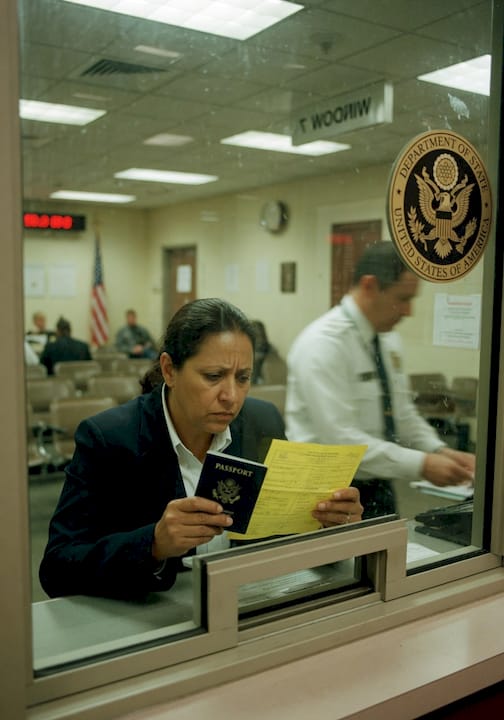
The consulate interview is primarily an evidentiary one. The consular officer will focus on confirming an unbroken ancestral chain through original, certified documents. The officer traces each link in your family tree from the qualifying ancestor down to you, verifying that no disqualifying event, such as a voluntary renunciation of the ancestral nationality, broke the chain.
Each consular officer works differently. Some may go over your paperwork, page by page, with you to make sure you have everything you need. Others may take a cursory glance at your packet, thank you, give you a receipt and let you know if anything else is needed.
If there is something missing or something is unclear based on the evidence and documents you provided, the consular officer may give you “homework.” This means you will have to obtain the missing document(s) and send them back to the consulate. If this happens, you usually do not need to go to the consulate again – depending on the consulate, they may allow you to e-mail a scan of the missing document(s) or mail them.
There is no need to be nervous during this portion of the application! This is where all of your hard work will pay off.
What are the possible outcomes after the application?
The interview ends with one of four outcomes: approval, homework, or denial. Knowing what each means prevents you from misreading a procedural delay as a rejection.
- Approval: The officer approves your case on the spot or notifies you that approval is forthcoming. When this happens, the consulate initiates the next administrative steps toward issuing your passport or citizenship certificate.
- Approved for processing: The officer notes you have everything you need, but is unable to make a decision right away either due to workload or due to the constraints of the program itself (e.g. no immediate approvals are allowed). Your packets gets put in the processing queue, and will be processed accordingly.
- Homework: The officer identifies a gap in your documentation and lets you know that further documents are required in order to have a complete set and/or successful application. In this case, you’re given “homework” to bring back to the consulate. Usually, you can either scan/e-mail this documentation or mail it to the consulate. Very rarely, you will be asked to bring it back in person.
- Denial: If you don’t have the necessary documentation to substantiate a citizenship by descent claim, and not even homework will help you, you will be denied. In this case, you can always re-apply, but you will need to make a new appointment. This usually happens when people are underprepared and bring completely wrong documents or are missing a big chunk of what they need.
Denial is the least common outcome for well-prepared applicants. Denials typically result from confirmed inconsistencies in the application or failure to meet the statutory requirements for the citizenship category being claimed. The bottom line is that if you have a valid claim for citizenship by descent, you should try your best to meet the documentary standard so you will not be denied.
How to prepare for a successful citizenship consulate meeting
Preparation for the consulate appointment begins weeks, not days, before the interview date. The applicants who perform best treat the appointment like a professional presentation: every document accounted for and every procedural instruction followed without hesitation.
Start by gathering all required documents and organizing them in indexed folders. A complete ancestral document file can resolve issues on the spot and prevent prolonged administrative processing.
Bring supplemental evidence proactively. If your case has any complexity such as a name discrepancy across documents, prepare a brief written explanation with supporting documents. Keep it to the side and don’t mention it until/unless the consular officer brings up the discrepancy. In our experience, it’s best not to introduce complications during the interview but if the consular officer brings it up, it’s good to be prepared. Handing the officer a clear, organized explanation once they ask the question demonstrates credibility and saves time.
Pro Tip: Do not bring anyone into the interview room who is not required to be there. Consular officers conduct interviews one on one . Bringing uninvited family members can create confusion and slow the process.
Roots Recovered, LLC: expert support for your consulate preparation
Preparing for a citizenship consulate interview involves more than gathering paperwork. A single missing document or an inconsistency in your ancestral chain can delay your case by months.
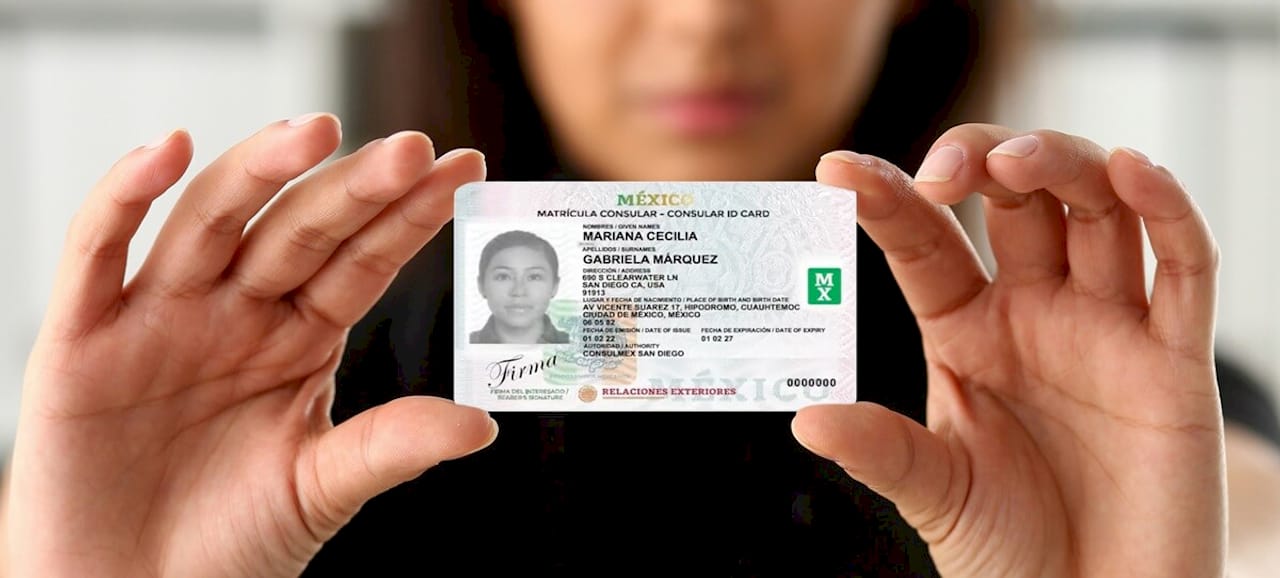
Roots Recovered, LLC specializes in citizenship by descent services that include thorough document audits, application reviews, and step-by-step guidance through the consulate process. The firm works with clients pursuing European and Canadian citizenship and has established connections with consulates that process these cases. If you are ready to understand your eligibility and build a file that holds up under consular scrutiny, explore your citizenship options and see how professional preparation changes the outcome.