The basics
Citizenship by Descent Explained
Citizenship by descent, known in Latin as jus sanguinis or “by right of blood,” is the legal principle that citizenship can be inherited through family lineage rather than earned through residency or naturalization.
If your parents, grandparents, or more distant ancestors were citizens of a European country, many of those countries recognize your right to claim that citizenship as a birthright, regardless of where you were born, where you live, or how many generations have passed.
For millions of Americans, Canadians, and Australians whose families emigrated from Europe one, two, or three (or more) generations ago, often through Ellis Island and other ports of entry, citizenship by descent is the most direct and often the most overlooked path to a European passport.
Basically: if your ancestors held a citizenship, you may already be entitled to it. You simply don't have the paperwork yet.
Two ways to be a citizen
Jus Sanguinis vs. Jus Soli: What's the Difference?
Most countries grant citizenship in one of two ways: by where you were born, or by who your parents are.

Jus Sanguinis
“Right of blood”
Europe largely operates on this principle. Most European countries grant citizenship based on who your parents are, not where you were born. A child born in New York to an Irish citizen is, under Irish law, an Irish citizen from birth, even if they have never set foot in Ireland.
Jus Soli
“Right of soil”
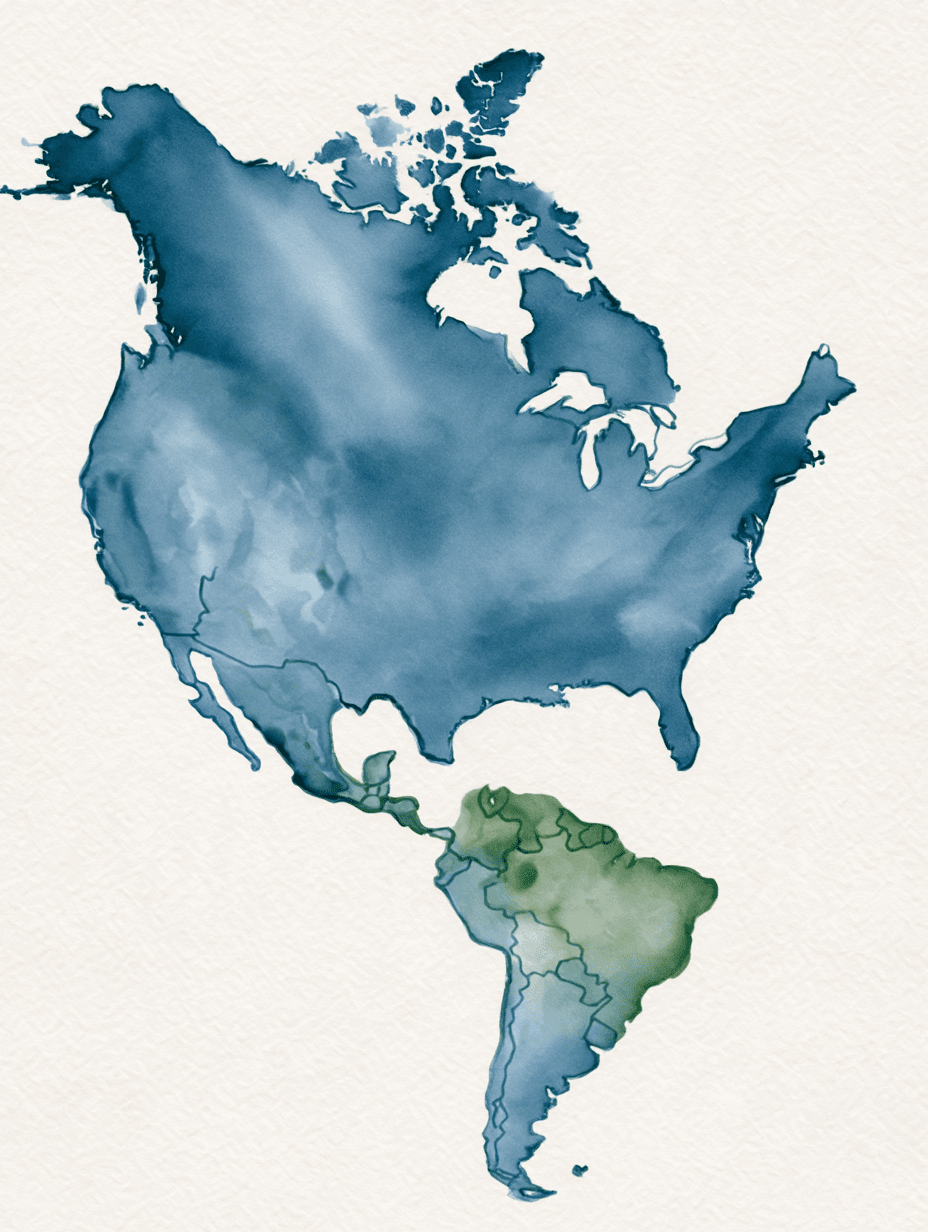
The United States, Canada, and many South American countries apply this principle. It grants citizenship based on where you are born, which is why children born on American soil are automatically American citizens regardless of their parents' nationality.
Jus sanguinis lets citizenship travel. If your great-grandfather was a Polish citizen and that citizenship passed through your grandfather and your mother to you, Polish law may consider you a Polish citizen today. You simply don't have a document proving it yet. Conversely, a child born to American parents in Italy is not automatically an Italian citizen, unless some other legal condition applies to prevent that child from being stateless.
Where it works
Which Countries Offer Citizenship by Descent?
Every country structures its citizenship laws differently, and the rules on who qualifies, how far back the line can extend, and what disqualifies you vary enormously. The countries we work with include:
- Italian citizenship
- Irish citizenship
- German citizenship
- Polish citizenship
- Canadian citizenship
- Spanish citizenship
- Portuguese citizenship
- Austrian citizenship
- Hungarian citizenship
- Czech citizenship
- Croatian citizenship
- Latvian citizenship
- Lithuanian citizenship
- Luxembourgish citizenship
- Slovak citizenship
Some programs, like Austria (via Nazi persecution pathways), Germany, Hungary, Luxembourg, Italy (until recently), and Poland, have no generational ceiling in theory, meaning citizenship can travel through great-grandparents and beyond if the chain holds at every link. Others, like Ireland and Portugal, will technically allow citizenship to pass on forever, as long as each generation seeks recognition before having children. Others, like Slovakia, set a specific generational limit of parent, grandparent, great-grandparent or, in some cases, great-great grandparent.
The rules keep changing
2021
Germany
Germany expanded access for descendants of those persecuted by the Nazi regime.
2022
Slovakia
Slovakia opened its citizenship by descent program entirely.
2025
Italy
Italy significantly restricted its program, limiting new applications to those with an Italian parent or grandparent, with further restrictions. The new law is currently being challenged at the European Court of Justice due to its retroactive application.
2025
Canada
Canada opened up citizenship by descent to be claimed through an unlimited number of generations through Bill C-3. Yes, we do Canada too!
Staying current with these changes, and understanding how they affect your specific case, is a significant part of what we do. Compare every country to see where your family may qualify.
The payoff
What Are the Benefits of Citizenship by Descent?
A European passport is one of the most valuable travel documents in the world, offering unparalleled freedom and opportunity. Canadian citizenship opens its own doors.
Visa-Free Travel
Visa-free or visa-on-arrival access to more than 170 destinations with a European or Canadian passport.
Live & Work in the EU or Canada
The right to live, work, and study anywhere in the European Union without permits or visas, or to settle anywhere in Canada.
Education & Healthcare
Access to public healthcare systems, education institutions, and social services across Europe and Canada.
Family Heritage
Pass citizenship to your children and future generations, creating lasting legacy value.
Global Opportunities
Enhanced career prospects, business opportunities, and retirement options abroad.
Cultural Connection
Formal recognition of your family's heritage and a meaningful connection to your roots.
Curious what it takes? See how our citizenship by descent services work.
Myth vs. fact
Common Myths About Citizenship by Descent
Think you can't qualify? Slide to reveal the truth.
Myth 1 of 10
Questions answered
Citizenship by Descent: Frequently Asked Questions
What disqualifies someone from citizenship by descent?
This is where citizenship by descent becomes technically demanding, and where working with an expert matters most. The most common disqualifiers across European programs include naturalization (an ancestor who became a citizen of another country, including the United States, typically lost their original citizenship at that moment, and whether children born before or after are affected depends on the exact date and the country's law), pre-independence emigration (Poland, for example, did not exist as an independent nation between 1795 and 1918, so an ancestor who left before 1918 may never have held Polish citizenship), gender-based transmission rules (older laws in many countries only let citizenship pass through the father, with relevant dates such as 1951 in Poland, 1975 in Germany, and 1948 in Italy), and renunciation (a formal renunciation by an ancestor severs the chain at that point). Understanding which apply to your family's history is the first and most important step in any case we take on.
Does it matter how many generations back my ancestor is?
It depends entirely on the country. Austria (in certain circumstances), Germany, Hungary, Poland, Luxembourg, Portugal, and Ireland allow the line to extend well beyond grandparents under the right circumstances. There are other programs which also technically have unlimited generational limits, depending on your own family's situation. Slovakia limits eligibility to parent, grandparent, or great-grandparent (and sometimes great-great grandparent), and Italy's 2025 law change narrowed the scope to parent or grandparent for new applicants, though this new law is being challenged at the European Court of Justice. What matters in every case is not just how far back your ancestor is, but whether citizenship passed cleanly through each generation between that ancestor and you. A break anywhere in the chain, whether caused by a naturalization, a female ancestor having a child before the relevant date, or a renunciation, can end eligibility regardless of how recent the qualifying ancestor is.
What documents do I need?
The documentary backbone of any application is a complete vital records chain: birth, marriage, and death certificates for every person in the direct line from your ancestor to you. Depending on the country, you may also need naturalization records, census records, church registers, military booklets, passports, or archive confirmations. Many documents require certified translation, and some require apostille authentication. Building this chain, tracking down records that may be a century old, and filling gaps where documents no longer exist is the most time-consuming part of the process, and where most self-guided applicants run into trouble.
Is it the same as applying for a visa or residency?
No. Citizenship by descent is not an immigration process. You are not asking a foreign government to admit you. You are asserting a legal right that already exists under their law. In most programs, if you qualify, you are already a citizen, and the application is simply the formal recognition of that status. That is why many countries call it “confirmation” or “recognition.” It also means citizenship by descent generally does not require you to move to the country, learn the language, or demonstrate ties to the nation.
Do I have to give up my U.S. citizenship?
The United States allows dual citizenship, and many of the countries we work with do too. Rules differ by country, so we confirm yours during your free review, before you apply.
How long does it take?
Timelines vary dramatically by country, filing pathway, and current processing volumes. Luxembourg's Article 7 process, handled entirely by mail, can conclude within a year. Others involve consular waitlists, court proceedings, or government review periods that stretch to two years or more. We provide realistic timeline expectations for your specific case and country during your consultation.
Does citizenship by descent work for Canada too?
Yes. Canada is not European, but we help clients claim Canadian citizenship by descent along with citizenship in 14 European countries. If you have a Canadian parent or grandparent, a free review will show whether you qualify.
More questions? Read our full FAQ or contact our team.
How we help
How Roots Recovered Can Help
We were the first American firm to focus on citizenship by descent. We handle the research, records, translations, and filing for 15 countries across Europe and Canada, so you can focus on your family story instead of the paperwork.
Schedule your FREE citizenship by descent consultation today
Find out if you qualify for a second passport through your ancestry. Book a free 30-minute call with our citizenship by descent experts.