Genealogy
How to Search U.S. Naturalization Records Effectively
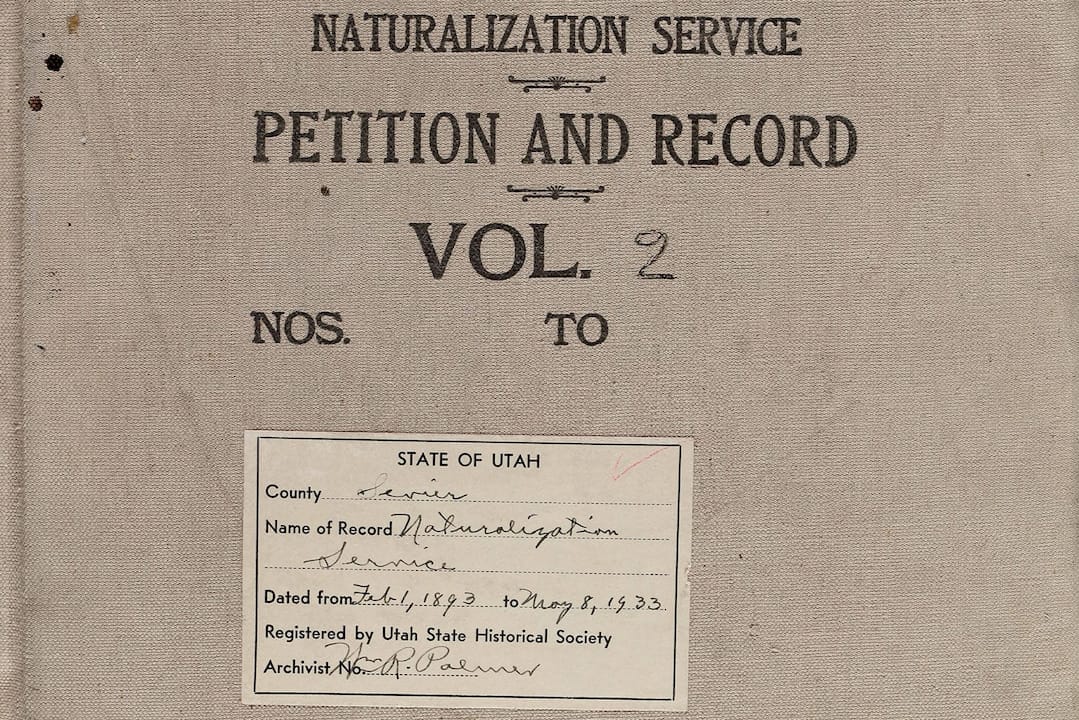
Start your US naturalization records search at two official sources: the USCIS Genealogy Program and the National Archives and Records Administration (NARA). For records created after September 27, 1906, USCIS holds Certificate Files (C-Files) and maintains a searchable index. For federal court naturalizations, NARA’s regional facilities are the right call. State and county courts, plus commercial databases like Ancestry, FamilySearch, and Fold3, fill the gaps.
Your fastest three steps right now:
- Go to genealogy.uscis.dhs.gov and submit an Index Search Request with your ancestor’s name, estimated birth year, and last known U.S. residence.
- Search the NARA catalog for federal court naturalization records and microfilm series by state.
- Pull together the biographical details you already know: full name and any spelling variants, birth date and place, approximate arrival year, and last known county of residence.
Sources to open immediately:
- USCIS Genealogy Program: genealogy.uscis.dhs.gov
- NARA Naturalization Records page: archives.gov/research/immigration/naturalization
- FamilySearch Naturalization Research Guide: familysearch.org
- Ancestry U.S. Naturalization Records collections
- Fold3 Naturalization Records collection
Key Takeaways
Starting with USCIS and NARA gives you the most direct path to post-1906 naturalization records, while state and county courts remain the primary source for pre-1906 and local court naturalizations.
| Point | Details |
|---|---|
| Start with USCIS for post-1906 records | Submit an Index Search Request at genealogy.uscis.dhs.gov with name, estimated birth year, and last known U.S. address. |
| Use NARA for federal court records | Search the NARA catalog by state and district court; consult the state-by-state online guide for digitized collections on Ancestry and Fold3. |
| Pre-1906 records require state or county contact | Before September 27, 1906, any court of record could naturalize an immigrant; contact county clerks, state archives, or historical societies directly. |
| Cross-check census records when indexes fail | The 1900–1930 census naturalization columns supply arrival years and citizenship status that narrow your search window significantly. |
| Proof of death may be required | Records for individuals who may still be living are restricted; a death certificate or obituary typically resolves redactions and access limits. |
Table of Contents
- What types of U.S. naturalization records exist?
- Where should you look first for naturalization records?
- How do you search the major online databases step by step?
- How do you request records from USCIS and the National Archives?
- What should you do when you can’t find a naturalization record?
- Advanced search tactics used by archivists and USCIS indexers
- How do you read naturalization documents and avoid common mistakes?
- Checklist: what to gather before you search
- Sources
What types of U.S. naturalization records exist?
U.S. naturalization records fall into several distinct document types, each covering a different period and containing different fields. Knowing which type you need before you search saves significant time.
Main record types and their typical date ranges:
- Certificate Files (C-Files): Created by the Immigration and Naturalization Service (INS) between approximately 1906 and 1956. A C-File typically contains a copy of the petition for naturalization, the declaration of intention, and the naturalization certificate itself. Key fields include the petitioner’s full name, birth date and place, arrival date and port, court name, and certificate number.
- Alien Files (A-Files): After 1956, naturalization records moved into A-Files, which are broader immigration files. USCIS holds both C-Files and A-Files and can retrieve them through a Record Request.
- Petitions for Naturalization: The formal court document filed by an immigrant asking to become a citizen. Petitions often list the petitioner’s name, address, occupation, physical description, arrival details, and names of witnesses.
- Declarations of Intention (“First Papers”): Filed before the petition, these declared the immigrant’s intent to become a citizen. They frequently contain birth date, birthplace, and physical description, making them valuable even when a final certificate is missing.
- Naturalization Certificates: The official document issued upon approval. The certificate number is the key identifier for tracing other records.
- Index Cards: Summary cards created by various agencies to catalog naturalization events. They often capture name, date, court, and certificate number, and are frequently the first hit in an online search.
Critical date boundaries that determine where records are held:
The single most important dividing line in any US citizenship records lookup is September 27, 1906. Before that date, naturalization was decentralized: any court of record, from a small county probate court to a federal district court, could grant citizenship. No single national index exists for pre-1906 records. After 1906, the federal government standardized the process and began collecting copies of all naturalization documents, which is why USCIS and NARA hold most post-1906 records.
| Record Type | Typical Date Range | Primary Holder | Key Fields |
|---|---|---|---|
| C-Files | 1906–1956 | USCIS | Name, birth date/place, arrival, court, certificate no. |
| A-Files | 1956–present | USCIS | Full immigration history, naturalization docs |
| Petitions for Naturalization | 1790–present | NARA, state/county courts | Name, address, occupation, witnesses |
| Declarations of Intention | 1790–present | NARA, state/county courts | Birth date/place, physical description |
| Naturalization Certificates | 1790–present | USCIS, courts | Certificate number, date, court name |
| Index Cards | Varies by agency | USCIS, NARA | Name, date, court, certificate no. |
Where should you look first for naturalization records?
The right repository depends almost entirely on when and where your ancestor was naturalized. Getting this decision right at the start avoids weeks of searching in the wrong place.
Decision flow:
- Post-1906 records held by USCIS: If your ancestor naturalized after September 27, 1906, start with the USCIS Genealogy Program. USCIS maintains C-Files (1906–1956) and A-Files (post-1956) and runs the Master Index that covers its holdings.
- Federal court records at NARA: If you know your ancestor used a federal district court, NARA’s regional facilities hold those court records. NARA generally does not hold state or county court naturalizations, so its holdings focus on federal proceedings.
- State and county courts for pre-1906 and local naturalizations: Before 1906, and for immigrants who chose a local court even after 1906, records stayed with the issuing court. These are typically held at state archives, county clerks’ offices, or historical societies.
Signs that a record is likely in state or local holdings:
- The naturalization date is before September 27, 1906.
- Census records list a county or small town but no federal court name.
- The immigrant lived in a rural area where a federal court was not the most accessible option.
- Family documents mention a county probate court or city court by name.
Practical steps for contacting NARA and county offices:
- Identify the state and, if possible, the federal judicial district where your ancestor lived. NARA’s online naturalization records guide lists which regional facility covers each state.
- Contact the appropriate NARA regional facility by email or phone and ask whether they hold naturalization records for that district court and date range.
- For county courthouses, call the county clerk’s office and ask specifically for naturalization records or minute books from the relevant period. Many county clerks can direct you to a local historical society if the records have been transferred.
- Check whether your state archives has a statewide naturalization index. Several states digitized their pre-1906 holdings, and some large cities maintain their own portals. New York, for example, runs a searchable online portal that filters by year of arrival, country of origin, and alternate name spellings, though results are capped at 500 entries per query.
How do you search the major online databases step by step?
Each platform works differently, and knowing the mechanics of each one lets you run a smarter search in less time.
USCIS Genealogy index search
The USCIS Genealogy Program uses a hybrid Master Index, combining manual and automated records, to tell you whether a record exists, what type it is, where it is located, and how to request it. Indexers can modify searches by date, place, and other biographical clues, so the system is more flexible than a simple name lookup.
- Go to genealogy.uscis.dhs.gov and select “Index Search Request.”
- Enter the full name as it most likely appeared on official documents. If you are unsure of the spelling, enter the most common variant first.
- If you do not know the exact birth date, check the “estimated” checkbox and enter an approximate year. USCIS instructions specifically advise using this option rather than leaving the field blank, since estimated dates more than roughly 100 years ago may not require proof of death.
- Fill in optional biographical fields: last known U.S. address, arrival year, and port of entry. These details help indexers narrow the search when a name is common.
- Do not close your browser until the system generates a case number. Closing early loses your submission.
- Pay the Index Search fee. If the search returns no results, USCIS sends a response letter confirming the negative result; if a file reference no longer has a physical file attached, the letter will explain that and provide whatever index data was captured.
NARA catalog and regional holdings
Search the NARA online catalog at catalog.archives.gov using terms like “naturalization records [state name]” or “petition for naturalization [district court name].” Filter by record group (Record Group 21 covers district court records). For microfilm series, note the microfilm publication number and order through a NARA facility or check whether a FamilySearch center has a copy.
FamilySearch, Ancestry, and Fold3
FamilySearch offers free access to many digitized naturalization indexes and some full images. Search the catalog under “United States Naturalization and Citizenship” and filter by state. FamilySearch also recommends cross-checking the 1900–1930 census naturalization columns, which record arrival year and citizenship status, to establish approximate dates before you search naturalization indexes directly.
Ancestry hosts extensive U.S. naturalization collections, including many NARA-digitized series. A subscription is required for full image access, though index results are sometimes visible without one. Use the “Restrict to exact” option sparingly; a wildcard search often surfaces records where a name was transcribed differently.
Fold3 specializes in military and government records and holds several naturalization collections, particularly for immigrants who served in the U.S. military. Its interface allows filtering by state and date range.
NARA’s state-by-state guide identifies which digitized collections appear on Ancestry and Fold3 and notes that coverage varies significantly by state and court. Use commercial platforms for quick index searches, then confirm originals through USCIS, NARA, or the issuing court.
| Source | Date Range | Record Types | Access Cost | How to Request |
|---|---|---|---|---|
| USCIS Genealogy Program | 1906–present | C-Files, A-Files, index cards | Fee-for-service | Online Index Search, then Record Request |
| NARA (federal courts) | 1790–present | Petitions, declarations, certificates | Free (in-person/catalog); fees for copies | NARA catalog, regional facility request |
| State/county courts | Pre-1906 and local | Petitions, minute books, certificates | Varies by court | Contact county clerk or state archives |
| FamilySearch | Varies by collection | Indexes, some full images | Free | Instant digital access or microfilm order |
| Ancestry | Varies by collection | Indexes, digitized images | Subscription | Instant digital access |
| Fold3 | Varies by collection | Indexes, military-linked naturalizations | Subscription | Instant digital access |
Pro Tip: Before running a name search on any platform, check the 1900, 1910, 1920, and 1930 census records for your ancestor. The naturalization status column (“Na” for naturalized, “Pa” for first papers, “Al” for alien) and the arrival year column give you the approximate window you need to target your Index Search or NARA request.
How do you request records from USCIS and the National Archives?
Knowing the right procedure for each repository keeps your request from being returned or delayed.
Submitting an Index Search Request to USCIS
- Gather the ancestor’s full name (and any known variants), estimated birth year and birthplace, approximate arrival year, and last known U.S. address.
- If the person may still be living, you will need to provide proof of death (a death certificate or obituary) or demonstrate that the birth date places them well beyond a reasonable lifespan. USCIS’s online system accounts for estimated ages when the “estimated” checkbox is used.
- Submit the Index Search Request through the USCIS Genealogy online portal and pay the required fee. Keep the browser open until the case number appears.
- Wait for USCIS’s response. The result will tell you whether a record exists, what type it is, and where it is held. If the index points to a file that no longer exists physically, the response letter will say so and provide the index data.
Converting an Index Search result into a Record Request
Once you have a case ID from a successful Index Search, submit a Record Request referencing that case ID. You can also submit a Record Request without a prior Index Search if you already have a certificate number or file number from another source. USCIS will retrieve the physical file and provide copies of the documents it contains.
Requesting records from NARA
For federal court naturalizations, identify the correct NARA regional facility using the state-by-state guide. Submit a written or online request specifying the court name, approximate date, and the petitioner’s name. NARA staff can search their holdings and provide copies for a fee. For microfilm series, you can order through NARA’s duplication services or visit a FamilySearch Family History Center that holds the relevant microfilm.
When to use a FOIA request
If the record involves a living person or a recently deceased individual and standard Genealogy Program channels are not producing results, a Freedom of Information Act (FOIA) request to USCIS may be appropriate. FOIA requests can access records not available through the standard Genealogy Program, though they typically take longer to process.
Fee and timeline note: USCIS Genealogy fees and processing times are listed on the USCIS Genealogy page and are subject to change; check the current fee schedule at genealogy.uscis.dhs.gov before submitting. If a search returns no results, USCIS provides a negative-search response letter rather than a refund, so confirm your biographical details are as complete as possible before paying.
What should you do when you can’t find a naturalization record?
A negative result from USCIS or NARA is not the end of the search. Several alternate records can supply the leads you need.
Alternate records to check:
- Census naturalization columns (1900–1930): These columns record citizenship status and arrival year, giving you a date window to target. FamilySearch recommends this as a primary fallback when direct indexes fail.
- Passenger manifests and ship arrival records: Post-1906 manifests often list the immigrant’s intended destination and contact person, which can confirm the county of residence.
- Military records: Immigrants who served in the U.S. military sometimes naturalized through military channels. Draft registration cards and service records frequently note citizenship status.
- Local court minute books: Before 1906, county courts recorded naturalizations in general minute books rather than separate volumes. These are often held at state archives or county historical societies.
- Local newspapers: Naturalization announcements were sometimes published in local papers, particularly in immigrant communities.
- City directories: These can confirm an address and county in a given year, narrowing the court jurisdiction to search.
Courthouse and archive actions:
- Contact the county clerk’s office directly and ask whether naturalization records from the relevant period are still held there or have been transferred to a state archive.
- Ask the state archives whether they hold a statewide naturalization index or donated county indexes.
- Check whether a local historical or genealogical society has created its own index from courthouse records.
- Order microfilm through a FamilySearch Family History Center if NARA holds the records on film but not digitally.
When to bring in professional help:
Complex name variants, records split across multiple repositories, documents in a foreign language, or a large number of family members to trace are all reasonable triggers for hiring a professional genealogist or a consulting firm experienced in document research. If your naturalization research is part of a citizenship by descent application, the stakes of missing a record are higher, and professional support can prevent costly application delays.
Pro Tip: If NARA’s online catalog shows no results for a state, do not assume the records are gone. Some NARA regional facilities maintain name indexes only in their physical research rooms. Call or email the facility serving your state and ask whether a staff search is available.
Advanced search tactics used by archivists and USCIS indexers
Professional indexers at USCIS and archivists at NARA use a systematic, iterative approach that most casual researchers skip. Adopting even part of this workflow dramatically reduces false negatives.
Core indexer tactics:
- Modify every query at least twice: try the surname spelled phonetically, then try common anglicizations (e.g., “Kowalski” becoming “Cowalski” or “Koleski”). USCIS indexers routinely run multiple passes with alternate spellings before concluding a record does not exist.
- Use residence as a filter, not just a name. If you know your ancestor lived in a specific county in 1920, that county’s federal district court is the most likely naturalization venue. Narrowing by place often converts a broad, unmanageable result set into a short, usable list.
- Cross-reference military service records. An immigrant who served in World War I or World War II may have naturalized through an expedited military process, and those records are in a different series than civilian C-Files.
- When an index entry points to multiple file numbers, the files may be split across microfilm and paper holdings. Follow each citation to its repository rather than assuming one file contains everything.
Search log template (copy and use):
- Ancestor name searched: [full name as entered]
- Name variants tried: [list each spelling]
- Date range used: [exact or estimated, with “estimated” noted]
- Place/residence entered: [county, state]
- Platform searched: [USCIS / NARA / FamilySearch / Ancestry / Fold3]
- Date of search: [your search date]
- Result summary: [found / not found / partial match]
- Case or file number (if found): [number]
- Next step: [Record Request / contact county clerk / try alternate spelling]
Pro Tip: Archivists advise starting with approximate dates pulled from census records (1900–1930) to narrow your search window. A tight two-to-three-year window often converts a failed broad search into a successful Index Search result at both USCIS and NARA.
Workflow for split files:
- Run the Index Search and note every file number returned, even if there are several.
- Submit a Record Request for each file number separately.
- If one file is at USCIS and another is referenced at a NARA regional facility, contact both simultaneously rather than waiting for one response before pursuing the other.
- Compare the documents from each file to reconstruct the complete naturalization history.
How do you read naturalization documents and avoid common mistakes?
Once you have the records in hand, interpreting them correctly is just as important as finding them.
Key fields and how to read them:
- Court name: Identifies the jurisdiction. A “U.S. District Court for the Southern District of New York” record belongs to NARA’s New York facility; a “Probate Court of [County]” record belongs to the county or state archives.
- Certificate or file number: The primary identifier for ordering copies and cross-referencing indexes. Write it down exactly, including any prefix letters.
- Date of naturalization: The date the court approved the petition, not the date the declaration of intention was filed. These can be years apart.
- Arrival year and port: Often appears on petitions and declarations; useful for cross-checking passenger manifests.
- Witness names: Witnesses were frequently neighbors, employers, or relatives. Their names can open new genealogical lines.
Common pitfalls:
- Transcription errors in indexes: A surname like “Brzezinski” may appear as “Brezinski,” “Brezinsky,” or even “Bresinski” in different indexes. Never rely on a single spelling.
- Name anglicization: Many immigrants adopted English versions of their names during or after naturalization. The naturalization record may show the anglicized name while earlier records use the original.
- Split C-Files: A single person’s naturalization history may be spread across two or more files if they moved between jurisdictions or if records were reorganized.
- Redactions for potentially living persons: USCIS redacts information from records when it cannot confirm the subject is deceased. If you receive a heavily redacted document, providing a death certificate or obituary in a follow-up request usually resolves this.
A realistic cross-check example: Suppose an index card shows “Josef Nowak, born 1882, naturalized 1921, certificate no. 1234567,” but a census record lists the same man as “Joseph Novak, born 1880.” Before concluding these are different people, check the arrival year on both records, the county of residence, and the names of any listed family members. A two-year birth-date discrepancy is common in early records, where ages were self-reported and often rounded. The certificate number is the most reliable identifier; if both records share a court name and the biographical details are otherwise consistent, they almost certainly refer to the same person.
When gathering supporting documents for a citizenship application, affidavits can help document relationships or confirm a death when official records are incomplete or contradictory.
Checklist: what to gather before you search
Having complete biographical details before you open any database makes every search faster and more accurate. Use this checklist to prepare.
Essential details to collect:
- Full legal name as it likely appeared on official documents, plus all known spelling variants and anglicizations
- Birth date (exact or estimated) and birthplace (country, region, and town if known)
- Approximate year of arrival in the United States and port of entry
- Last known U.S. address, including county and state
- Names of spouse and children (useful for distinguishing between people with the same name)
- Any known military service (branch, approximate dates, country)
- Approximate naturalization date or date range (even a decade helps)
- Name of any court mentioned in family documents or census records
- Death certificate, obituary, or other proof of death if the person may have been born within the last 100 years
Formatting estimated dates for online forms:
When you do not know an exact birth date, enter the midpoint of your estimated range and check the “estimated” box on the USCIS form. For example, if census records suggest a birth year between 1878 and 1882, enter 1880 as the estimated year. USCIS indexers will search a range around that date.
Optional biographical fields that speed USCIS searches:
The USCIS online form includes optional fields for last known address, arrival year, and port of entry. Filling these in gives indexers additional filters to narrow results when a name is common. Even a partial address, such as a city and state, is worth including.
Supporting documents to have ready:
- Death certificate or obituary (required for records of potentially living persons)
- Any existing naturalization documents or certificate numbers from family papers
- Census record images showing naturalization status columns
- Passenger manifest copies showing arrival details
Sources
Use this list to decide where to click first based on your ancestor’s date range and known location.
- Genealogy | USCIS
- Naturalization Records | National Archives
- Beginning Research in United States Naturalization Records • FamilySearch
If your naturalization research is part of a broader effort to claim citizenship by descent, Roots Recovered, LLC offers end-to-end document research and application support, from locating the right records to preparing and submitting your citizenship application. For readers navigating UK-related citizenship questions alongside U.S. research, MNS Solicitors provides naturalization services and legal guidance in that jurisdiction.